Water Damage Ceiling Repair in Denver County, CO
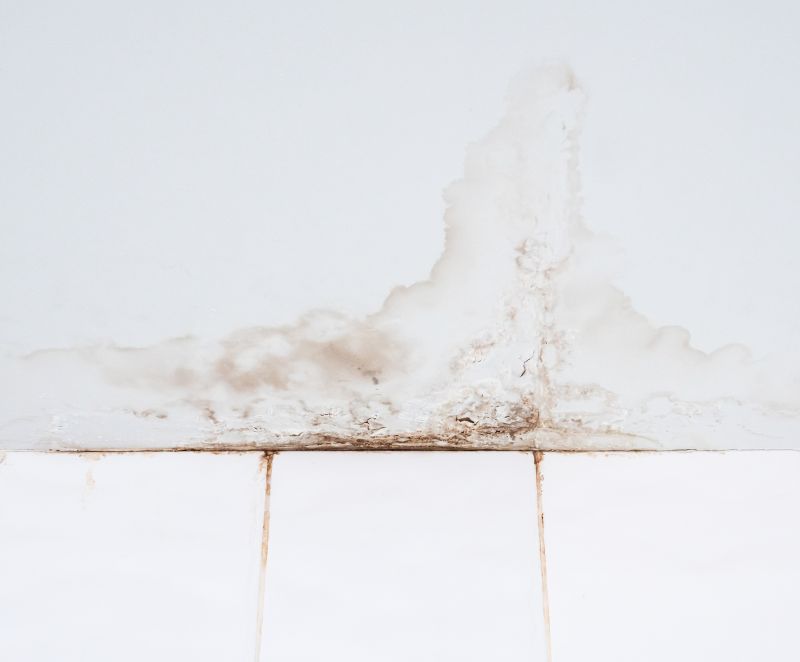
Water damage ceiling repair services address issues caused by leaks, flooding, or moisture infiltration that result in stained, sagging, or crumbling ceiling surfaces. These projects typically involve removing and replacing damaged drywall or ceiling materials, treating mold or mildew growth, and restoring the ceiling’s appearance and structural integrity. Property owners often seek this service after discovering water spots or sagging ceilings, especially in areas prone to plumbing leaks, roof leaks, or severe weather events, to prevent further deterioration and maintain a safe, attractive living space.
Before requesting water damage ceiling repair, homeowners should understand the extent of the damage, including whether it has affected underlying structures or insulation. It’s also important to identify the source of the water intrusion to prevent future issues. Clear communication about the scope of the damage and any existing mold or structural concerns can help ensure the repair process is thorough and effective. Proper assessment and timely intervention can help preserve the ceiling’s condition and avoid more costly repairs down the line.
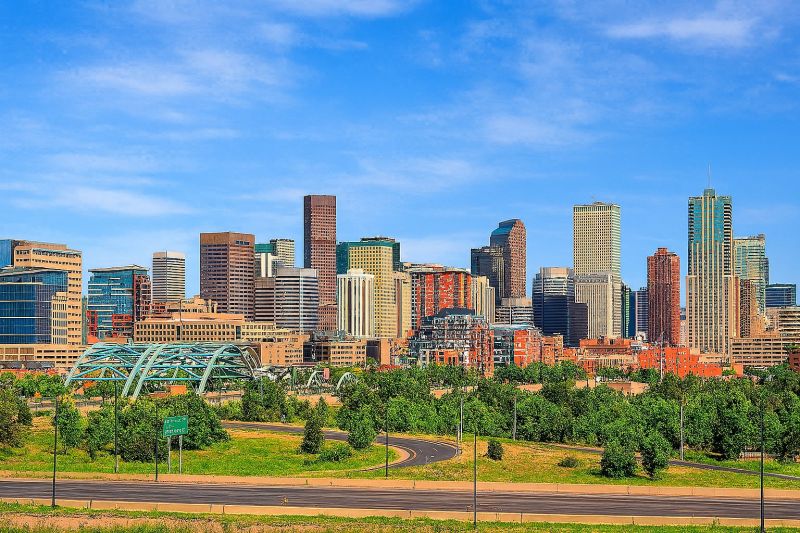
Many property owners in Denver County, CO look into Water Damage Ceiling Repair for repairs, replacements, upgrades, and appearance-related improvements.
Signs Of Water Damage
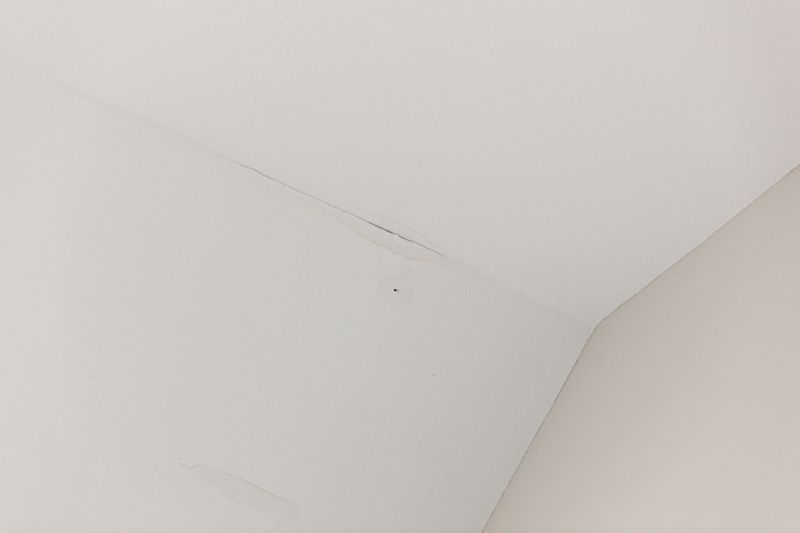
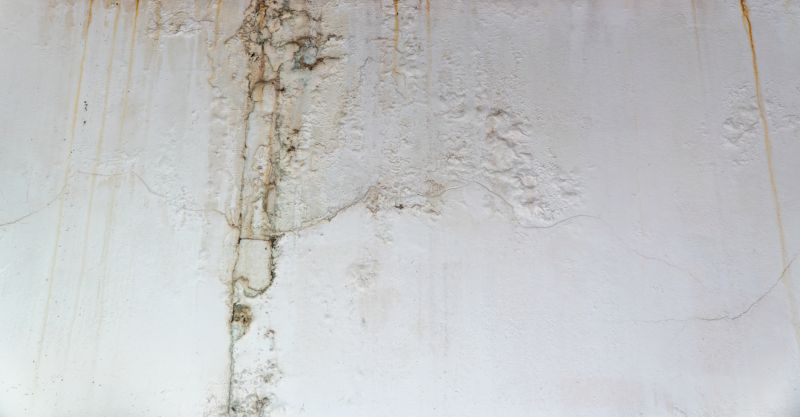
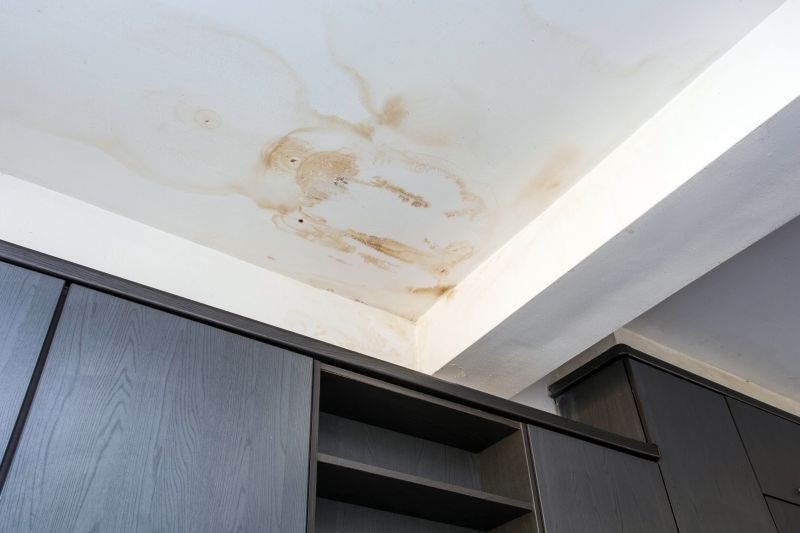
Discolored or sagging ceiling areas often indicate water intrusion and potential damage.
Repair And Restoration
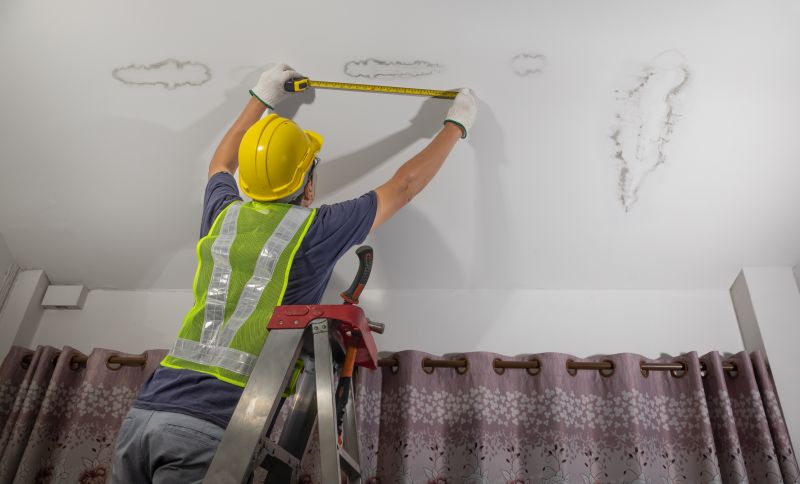
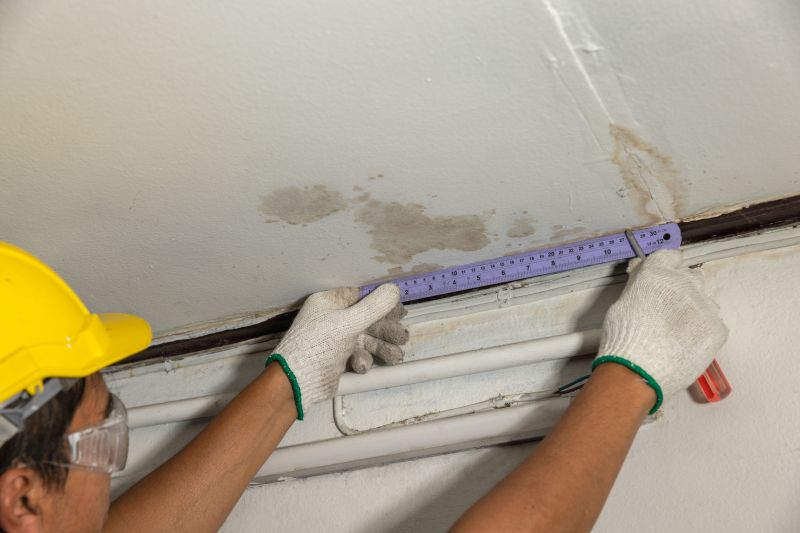
Ceiling repairs involve removing damaged material and restoring the surface to prevent further issues.
Preventing Future Damage
Addressing leaks and moisture sources helps protect ceilings in denver county homes and properties.
Water Damage Ceiling Repair in Denver County, CO
Water damage ceiling repair services address issues caused by leaks, flooding, or moisture infiltration that result in stained, sagging, or crumbling ceiling surfaces. These projects typically involve removing and replacing damaged drywall or ceiling materials, treating mold or mildew growth, and restoring the ceiling’s appearance and structural integrity. Property owners often seek this service after discovering water spots or sagging ceilings, especially in areas prone to plumbing leaks, roof leaks, or severe weather events, to prevent further deterioration and maintain a safe, attractive living space.
Before requesting water damage ceiling repair, homeowners should understand the extent of the damage, including whether it has affected underlying structures or insulation. It’s also important to identify the source of the water intrusion to prevent future issues. Clear communication about the scope of the damage and any existing mold or structural concerns can help ensure the repair process is thorough and effective. Proper assessment and timely intervention can help preserve the ceiling’s condition and avoid more costly repairs down the line.
Many property owners in Denver County, CO look into Water Damage Ceiling Repair for repairs, replacements, upgrades, and appearance-related improvements.
Common Water Damage Ceiling Repair Jobs
Water Damage Ceiling Repair - Restores ceilings affected by leaks or flooding to prevent further deterioration.
Leak Repair and Prevention - Addresses source issues to stop ongoing water intrusion and protect the ceiling.
Mold and Mildew Removal - Eliminates mold growth caused by excess moisture to improve indoor air quality.
Ceiling Drying and Dehumidification - Dries affected areas thoroughly to prevent structural damage and mold development.
Ceiling Restoration and Repainting - Repairs cracks, stains, and damage for a seamless, like-new appearance.
Structural Assessment - Evaluates the extent of water damage to determine necessary repair strategies.
Water Damage Ceiling Repair Questions
What causes ceiling water damage? Water damage to ceilings often results from roof leaks, plumbing issues, or appliance overflows that allow moisture to seep into ceiling materials.
How can water damage ceiling repairs improve safety? Repairing water-damaged ceilings helps prevent mold growth, structural weakening, and potential ceiling collapse, enhancing overall safety.
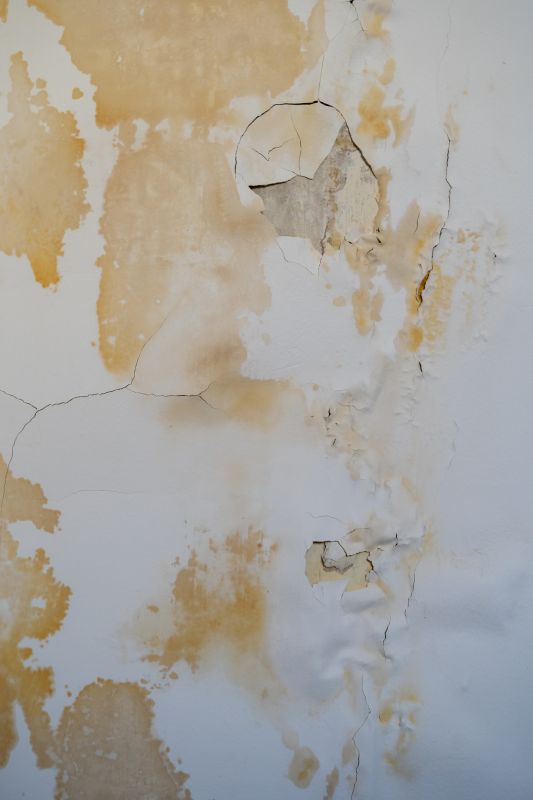
What types of ceiling damage are common after water exposure? Common damages include staining, bubbling, cracking, and sagging of ceiling surfaces caused by accumulated moisture.
Is it necessary to remove water-damaged ceiling materials? Yes, removing and replacing compromised materials is essential to prevent mold growth and ensure a proper, long-lasting repair.
Request Water Damage Ceiling Repair in Denver County, CO
Use the quote form on this page to share the basics of your project and request more information for the type of work you need.